Radon Mitigation York PA: What Homeowners Need to Know
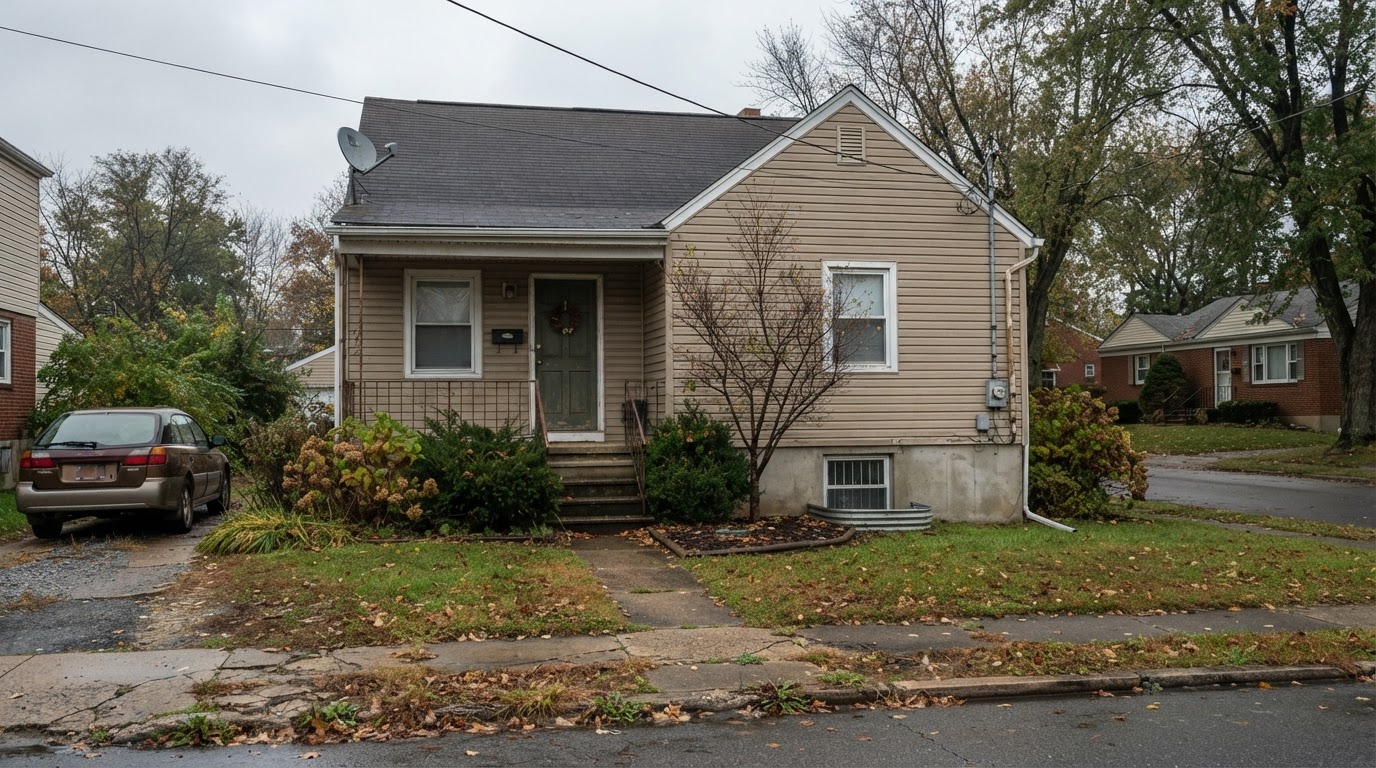
If you live in York PA and you have tested your home for radon, you already know the numbers can be unsettling. The EPA estimates that radon causes about 21,000 lung cancer deaths each year in the United States, and Pennsylvania sits in a zone where elevated levels are common. As a certified radon mitigator working in this area for over a decade, I have seen homes with readings above 100 pCi/L well past the EPA action level of 4 pCi/L. The good news is that radon mitigation works, and for most houses in York PA, the solution is straightforward and permanent.
Radon is a radioactive gas that comes from the natural decay of uranium in soil and rock. It seeps into homes through cracks in the foundation, gaps around pipes, and sump pump openings. Because it is invisible and odorless, you cannot know it is there without radon testing. The Pennsylvania Department of Environmental Protection encourages every homeowner to test, and many real estate transactions now require a radon test before closing. If your home shows elevated levels, radon mitigation York PA professionals can design a system that pulls the gas from beneath your house and vents it safely above the roofline.
Why Radon Testing Comes First
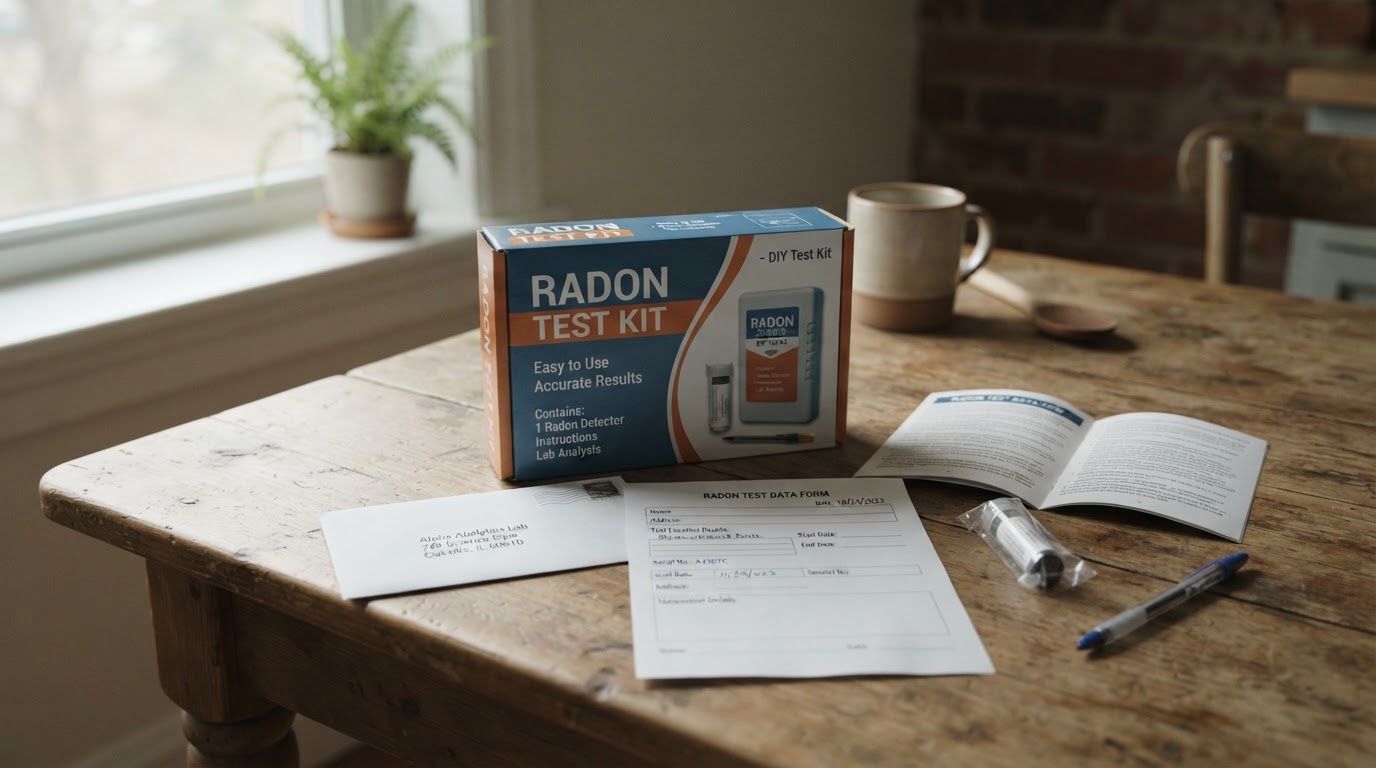
Before you spend a dollar on mitigation, you need accurate radon testing. I recommend starting with a short-term radon test, which stays in your home for two to seven days. These are inexpensive and give you a quick snapshot. But radon levels can vary day to day and season to day, so a short-term test is only the first step. For a more reliable picture, follow up with a long-term radon test that lasts at least 90 days. Long-term tests capture seasonal swings and give you a better average. You can buy test kits at hardware stores, or you can hire a certified radon measurement professional to do it for you. The National Radon Proficiency Program and the American Association of Radon Scientists and Technicians both maintain lists of qualified professionals.
If your long-term test shows levels above 4 pCi/L, the EPA says you should fix your home. Do not panic. Even a reading of 10 or 20 pCi/L is manageable with the right radon reduction system. The key is to hire a certified radon mitigator who understands local soil conditions and foundation types. In York PA, many homes are built on slab foundations or have basements with block walls. Each construction type requires a slightly different approach.
The Core of Mitigation: Active Soil Depressurization
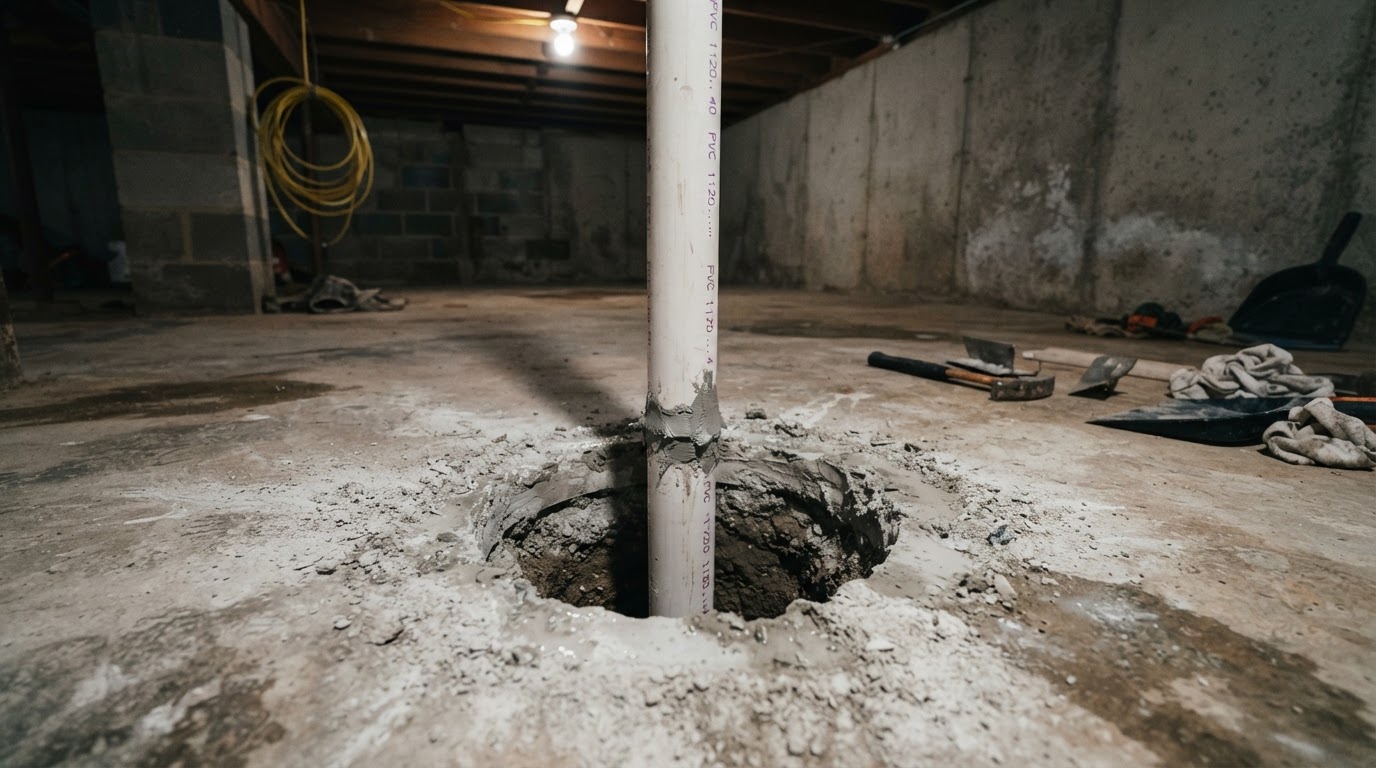
The most common and effective method for lowering indoor radon is active soil depressurization. This system uses a radon fan installed in the attic or outside the home to create negative pressure under the foundation. A pipe runs through the slab or connects to a drain tile loop, and the fan draws soil gas from beneath the house and exhausts it above the roof. The result is that radon never enters the living space. I have installed hundreds of these systems, and in most cases they reduce radon levels from double digits down to below 1 pCi/L.
A well-installed system includes a manometer, a simple U-tube gauge that shows whether the fan is running and the system is working. You should check the manometer once a month. If it shows zero pressure difference, something is wrong the fan may have failed, or a pipe may be blocked. The EPA recommends that every active soil depressurization system include a manometer so homeowners can monitor performance at a glance.
For homes with crawl spaces rather than basements or slabs, a technique called sub-membrane depressurization works well. A heavy plastic sheet is laid over the dirt floor, sealed to the walls, and a vent pipe draws radon from beneath the membrane. This is common in older homes in York PA where the crawl space was never designed to be a living area but still allows soil gas to migrate upward into the house.
Radon-Resistant Construction for New Homes
If you are building a new home in York PA, you have an opportunity to include radon-resistant construction from the start. This usually involves a layer of clean gravel under the slab, a vapor barrier, a sealed sump or drain tile loop, and a vent pipe that runs up through the house and out the roof. The system is passive, meaning no fan is installed initially. A radon test after construction will tell you if the passive system is enough. If levels are still high, a radon fan can be added to create active soil depressurization. Building radon-resistant from the start costs relatively little and is far cheaper than retrofitting a system later. The Pennsylvania Department of Environmental Protection has guidelines for radon-resistant new construction, and many local builders are familiar with them.
Sealants and Other Fixes
Some homeowners ask whether sealing cracks and gaps with a sealant is enough to solve a radon problem. The answer is no, not by itself. Caulking foundation cracks, sealing around pipes, and applying sealant to the slab can reduce the amount of soil gas entering the home, but it rarely brings levels below the action level. Radon is a gas, and it finds the tiniest openings. A combination of sealing and active soil depressurization is the standard approach. Think of sealing as a helpful complement, not a standalone solution.
I have also seen homeowners spend money on air purifiers that claim to remove radon. Do not fall for that. Consumer air cleaners with HEPA filters or carbon filters do not remove radon gas. Only a radon reduction system that stops the gas at the source or vents it outside will lower your indoor levels. If a product sounds too good to be true, it probably is.
Cost and Time for Radon Mitigation York PA
When people ask me about radon mitigation York PA cost, I tell them to expect somewhere between $800 and $1,500 for a typical active soil depressurization system on a slab foundation. Basement systems can run a bit higher because the piping may need to run through finished ceilings. Crawl space systems are often in the same range. The job usually takes one day. A certified radon mitigator will do a site evaluation, design the system, install it, and then perform a post-mitigation radon test to confirm the levels are below 4 pCi/L. Some mitigators include that final test in the price; others charge extra. Ask upfront.
Before you hire anyone, check that they hold a certification through the National Radon Proficiency Program or the American Association of Radon Scientists and Technicians. In Pennsylvania, there is no state licensing requirement for radon mitigators, so certification is your best assurance of competence. You can also ask for references and read online reviews. A good mitigator will explain the system clearly, show you where the fan will be placed, and tell you how to maintain it. A manometer reading and the sound of the fan are your ongoing indicators that the system is working.
What to Expect After Installation
Once your radon reduction system is installed, you should see levels drop within a few days. The continuous radon monitor is a device some mitigators use to track levels in real time during the first 48 hours. It gives immediate feedback. After that, a follow-up long-term radon test is the best way to confirm the system is performing as designed. I tell my clients to test again every two years or after any major structural work, such as adding an addition or replacing the foundation drainage.
Radon mitigation is not a set-it-and-forget-it solution. The radon fan has a lifespan of about five to ten years, depending on the model and how hard it runs. When the fan fails, the system stops working. If you notice the manometer reading has dropped to zero or the fan has become noisy, call a certified radon mitigator to replace it. A fan replacement is much cheaper than a full system install. Some mitigators offer maintenance contracts that include an annual check and priority service.
Living in York PA means you are in an area where radon is a real concern, but it is a manageable one. With proper radon testing and a professionally designed radon reduction system, you can bring your indoor levels down to a safe range. The peace of mind is worth the investment. If you have not tested your home yet, start there. If you have tested and the numbers are high, call a certified radon mitigator. The process is straightforward, and the results are lasting.